In the story of Jesus turning water to wine at the wedding of Cana (John 2:1-10), he tells the servants to fill six stone jars with water and bring them to the master of the feast.
When the person in charge tasted the water that had become wine and did not know where it came from (though the servants who had drawn the water knew), that person called the bridegroom 10 and said to him, “Everyone serves the good wine first and then the inferior wine after the guests have become drunk. But you have kept the good wine until now.”
I’ve been meditating on this passage for the last few weeks. It’s a story that is especially near and dear to me, and I happen to be preaching on it this weekend. A thought came to me that won’t necessarily “fit” into my sermon. So I thought I’d share it here.
Denominations, churches, ministries, institutions, and programs (etc.) are like the stone water jars in this story. First of all, they are often necessary conduits for God’s work in the world. They symbolize our own human participation in the miracle that Jesus performs. These servants had to pour 120-180 gallons of water into these six jars (made by human hands) and carry each of them to the master of the feast. Without a dolly, I presume.
Much human effort went into the creation and usage of these stone jars. A lot like the ministries and institutions that we create and maintain. Again, these jars are necessary and crucial to God’s work in the world.
However, the miracle is not the jar itself but in what it contains. In this story there are six jars full of water turned to wine. Over the next few days, I would imagine as one jar is emptied it is simply set aside and another one is set in its place.
Institutions and ministries can have long seasons of peak capacity and usage. But eventually things become empty and hollow. This may not necessarily be a sign that something is wrong. It’s just that it’s time to move to the next jar of wine. Don’t mistake the jar for the wine. Celebrate what God has done, but look for what God is doing now.
A quite short (128 pp.) introduction to the surprising & revolutionary character of Christianity in its original ancient context. In the midst of the much softer, domesticated version of Christianity of the modern West, the author seeks to inspire his readers to re-capture the original allure & beauty of authentic cross-shaped living sustained by the original Christian hope.
The four gospel accounts (Matthew, Mark, Luke, & John) are inextricably linked to the story of the Old Testament. Reading Backwards is a brilliant, accessible, and fairly short work (177 pp.) that traces the connections between each of the four gospel accounts with the Hebrew scriptures. It’s a fascinating summary that I highly recommend to anyone.
I’ve known about Aimee Semple McPherson for many years. But my close proximity to her home & church in L.A. piqued my interest enough to read this biography. It’s a sympathetic and reasonably honest look at her extraordinary and tragic life.
For this modern age of 21st Century evangelical pastors, I cannot think of a more important thinker and writer to learn “pastoral theology” from than Eugene Peterson. That has nothing to do with this particular book, but I just feel the need to include that statement. For any pastors who may be reading this, Eugene Peterson is an author well worth your time & attention. His memoir, The Pastor, might be a good place to start.
Anyway, Eat this Book is an inspiring invitation into the practice of approaching the Bible not as a textbook, almanac, or pocket manual, but as an awe-inspiring and expansive story into which we are immersed. I enjoyed it so much, I’m planning on leading a discussion on this book sometime this summer.
This is one I first read a few years ago. I re-read it and led a wonderful group discussion in my office this Spring. We are saved by grace through faith. Amen. But what do these words mean? How do the concepts relate to one another? And how does it cohere with the gospel announcement of the New Testament? In Salvation by Allegiance Alone, New Testament scholar Matthew Bates sheds important light on this subject. The book gets a little dense in some spots, and in particular sections I think he could’ve written much more clearly. But for American evangelicals, he offers some important points that are not only worth our consideration, but are critical for us to grasp in order for Christianity to thrive in the Western world.
I don’t just read theology books. This was an enjoyable, bed-time read about a band I’ve always been fascinated with. It inspired me to give my children the experience of the famous Wizard of Oz//Dark Side of the Moon sync effect.
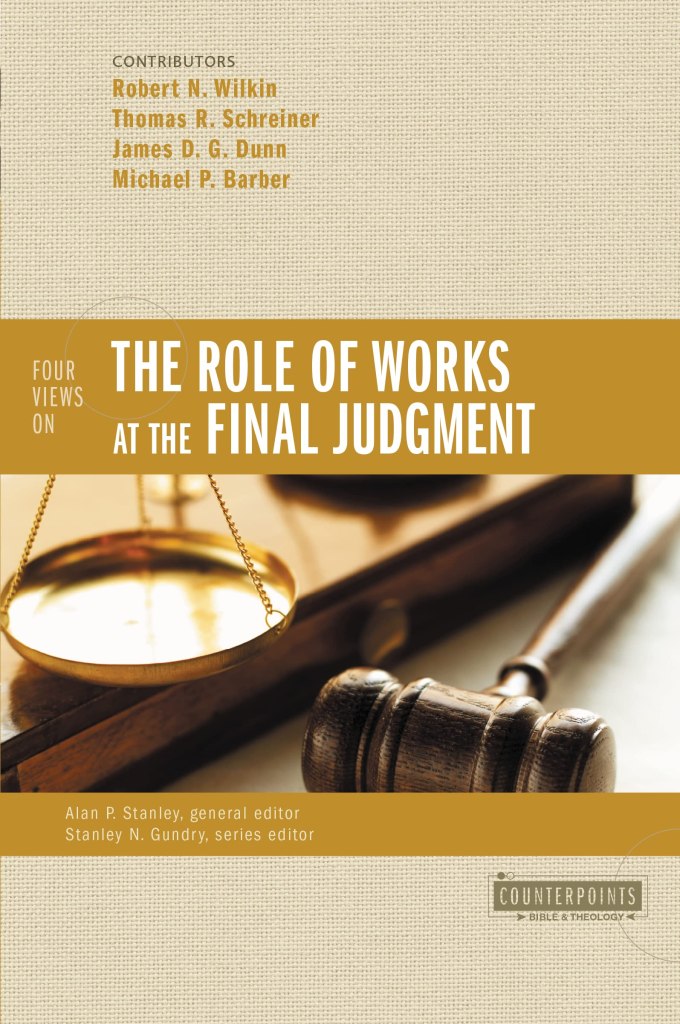
This book is part of Zondervan’s “Counterpoints” series, in which each book takes on a particular theological subject. Several scholars from different traditions write an essay representing their tradition’s view of the subject. Then the other scholars who represent opposing views each write a short response to one another’s essays. It’s a decent introduction to some of the various viewpoints Christians have on a wide range of topics and why they hold their views. Fresh off of reading Salvation by Allegiance Alone, I decided to dive into this one and wasn’t disappointed.
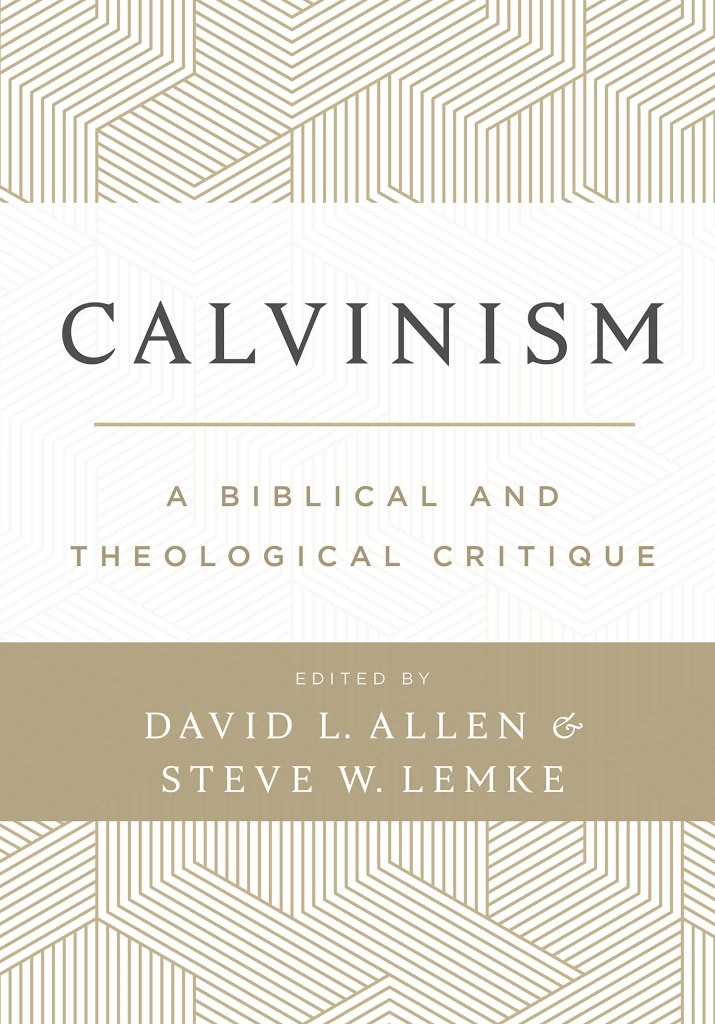
I’m about 30% through this one, so I have a ways to go. It provides essays written by various contributors (including two of my favorite scholars, Ben Witherington and Roger Olsen, although I haven’t yet gotten to their essays). While I have significant quibbles with some of the soteriology in this book, so far I find it to be a thorough and effective critique of five-point Calvinism and its fundamental tenets and implications.
Again, I’m about 30% through this one so far. So I don’t have much feedback yet on the book itself. However, so far I appreciate the way Jersak handles the topic of theological deconstruction in a careful and nuanced fashion. Too many evangelical “thought leaders” don’t really understand the term deconstruction, its wide-range of usage, and how it has become “a thing.” And because of this lack of understanding, many leaders carelessly (and fearfully) make generalizations and lash out, which ironically represents what many are deconstructing from. If none of this is making any sense to you, don’t worry about it. This book really isn’t meant for you. But it’s especially for people who have been going through theological change, those who have experienced deep pain in a church context, and/or those who have walked away from church or Christianity altogether. So far (30% in) I find it to provide compassionate & wise counsel written by someone who has been through it himself and has emerged with an ever-increasing fascination with Jesus.





 Ryan Post